There is no single solution; instead, a range of weight management strategies can be tailored to your needs.
Obesity Is Complex,
Taking Charge Of Your Health Isn’t.
Obesity is more than excess weight; it’s a chronic, complex condition that affects many aspects of your health 1. It can impact the heart, liver, hormones, sleep, and fertility 1, 2. Genetics, lifestyle, and environment all play a role, making weight management challenging 3.
The upside is that obesity can be managed 4. With the right guidance, support, and lifestyle strategies, you can make meaningful progress toward a healthier weight and improved overall well-being. Every step forward, no matter how small, brings you closer to better health.
Start your journey to winning over obesity today.
What is MyAarambh?
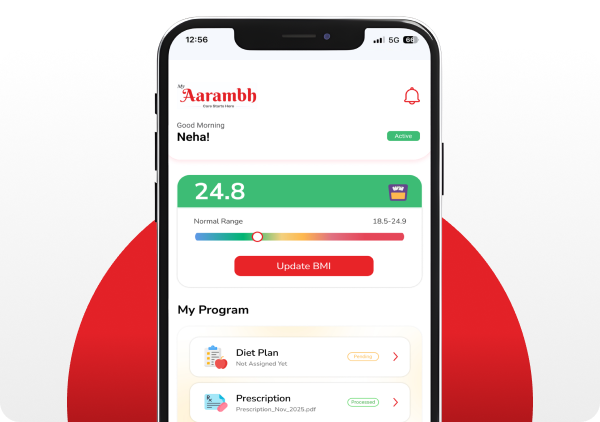
MyAarambh is Emcure’s unified Patient Support Program, thoughtfully created to walk alongside you with care, compassion, and confidence throughout your treatment journey.
Every journey toward better health begins with a feeling of readiness and support. MyAarambh marks that beginning. It offers you a trusted starting point, bringing together thoughtfully designed care pathways, meaningful information, and supportive resources so each step forward with clarity and care.
Created in close partnership with healthcare professionals, MyAarambh reflects a shared commitment to care. It is shaped around the every individual, honouring your unique journeys while offering consistent support at every stage of care.
At its heart, MyAarambh is built on three enduring principles:
- Education that builds understanding with simplicity and clarity
- Support that encourages progress gently, one step at a time
- Care that continues, alongside your treatment journey and beyond
How MyAarambh Supports Your Journey?

Personalised Diet Counselling
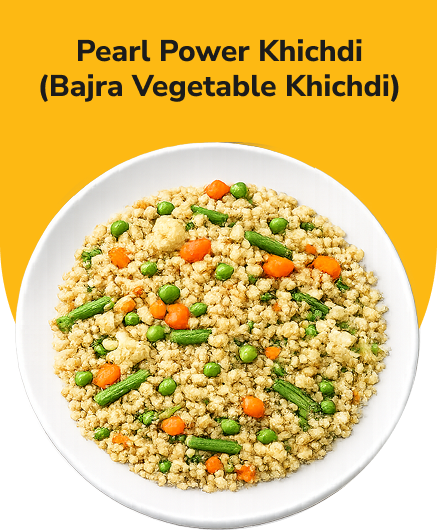
Individualised nutrition guidance based on your preferences, lifestyle, and treatment goals, helping you make sustainable food choices that support long-term adoption of healthy lifestyle.

Personalised Exercise Coach
Simple, customised physical activity guidance tailored to your age, fitness level, and health needs, designed to help you stay active safely and consistently in your daily life.

Lifestyle Management Tips
Practical tips on nutrition, physical activity, and everyday habits to support sustainable, long-term weight management in real-life settings.

Therapy Adherence
Easy-to-understand guidance to help you follow your prescribed therapy correctly, stay consistent with treatment, and feel confident in your care plan.
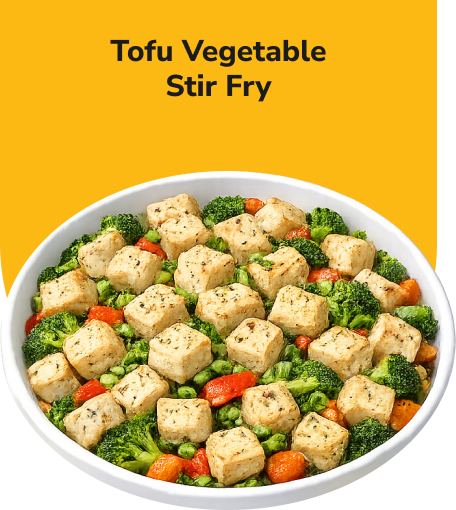
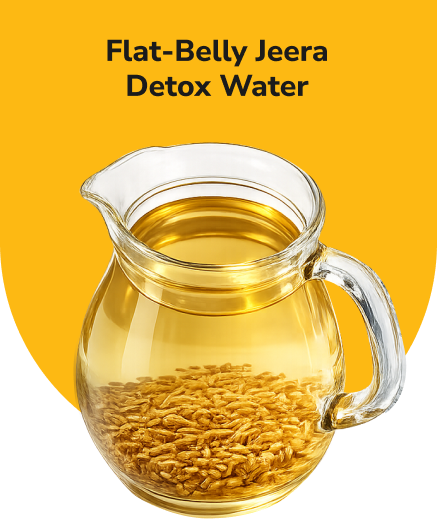
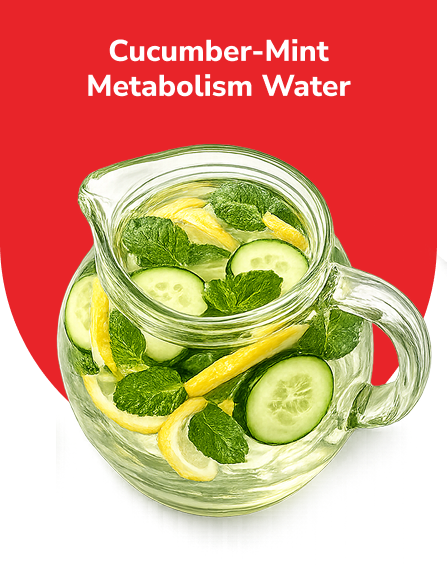
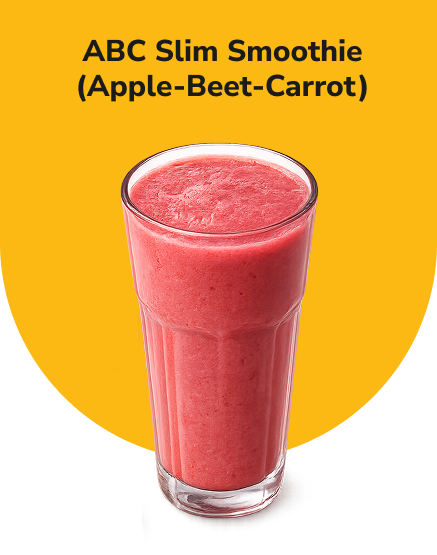
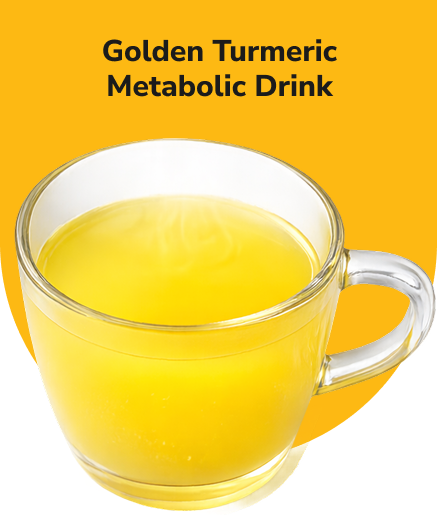
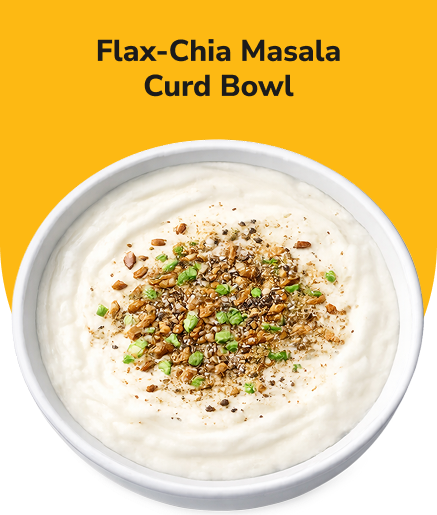
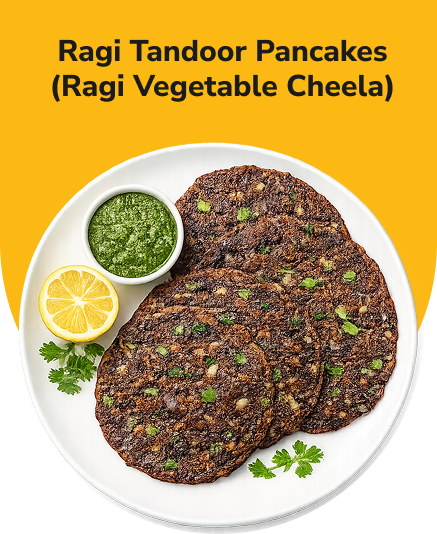
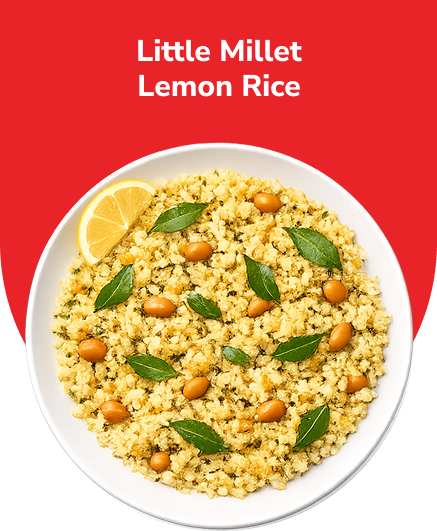
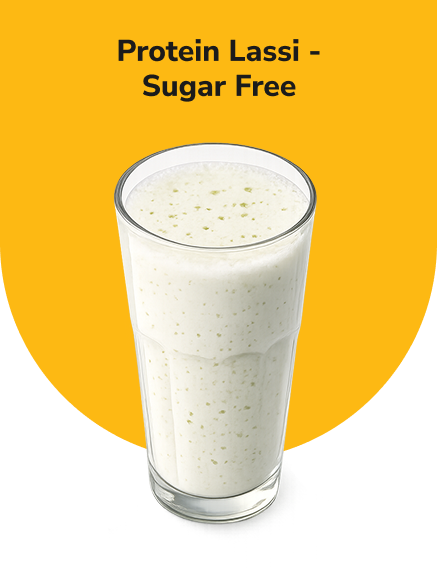
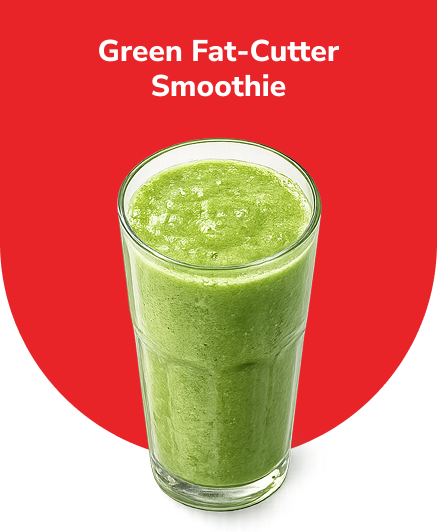
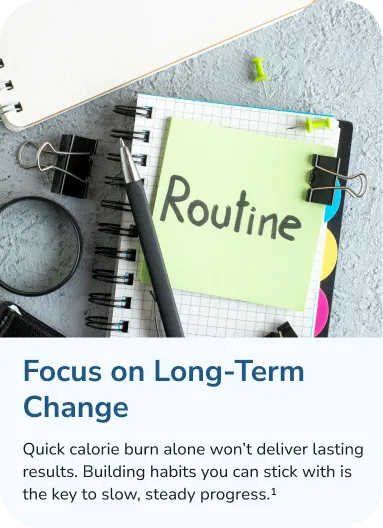
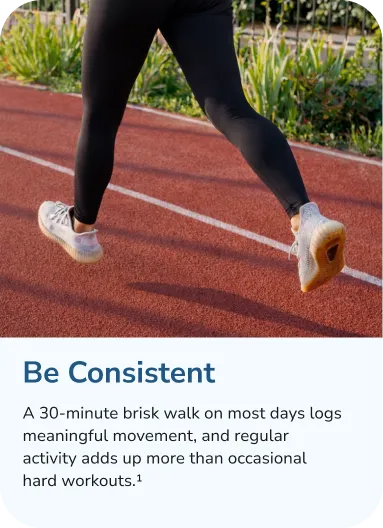
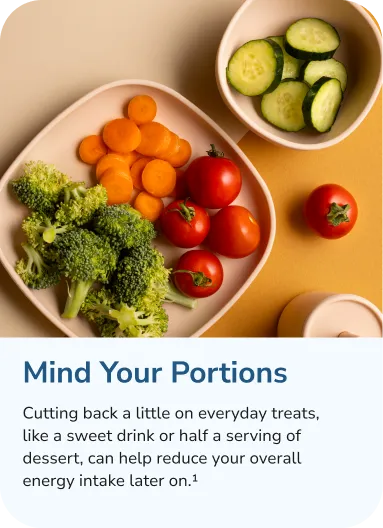
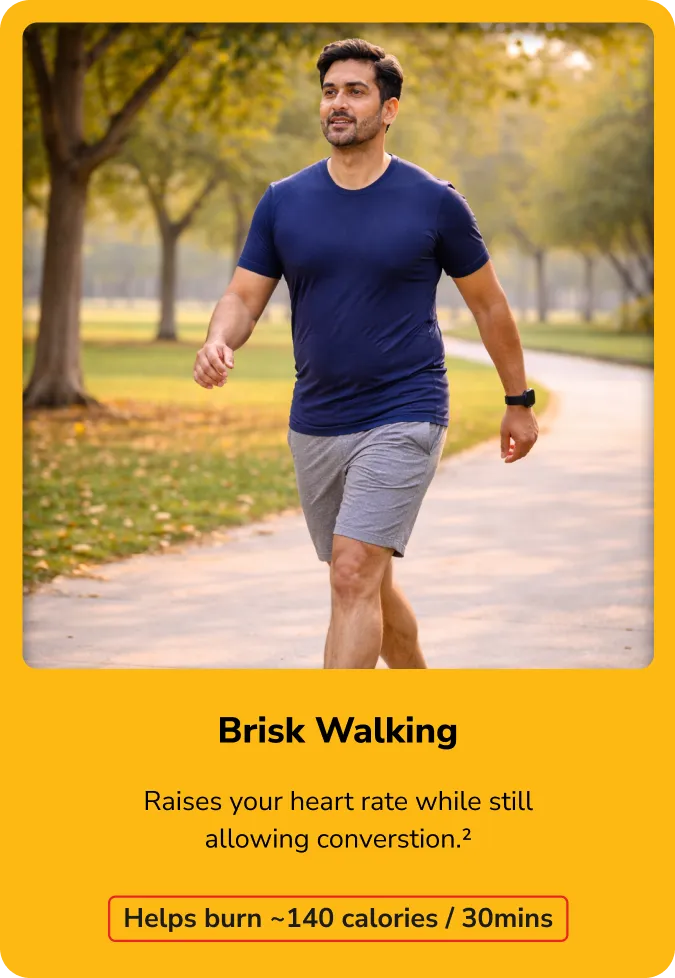
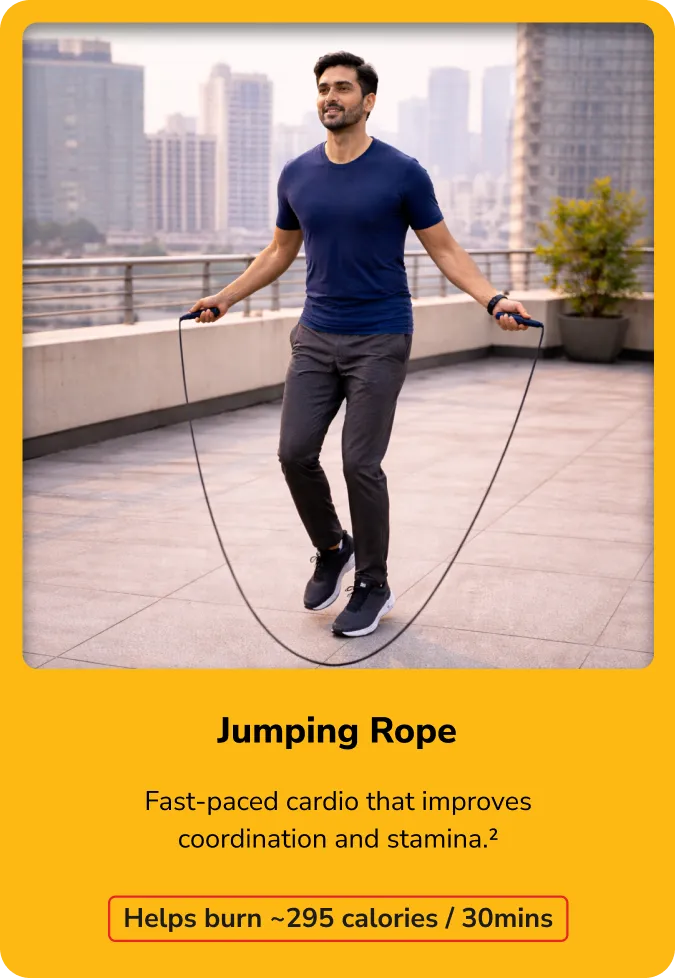
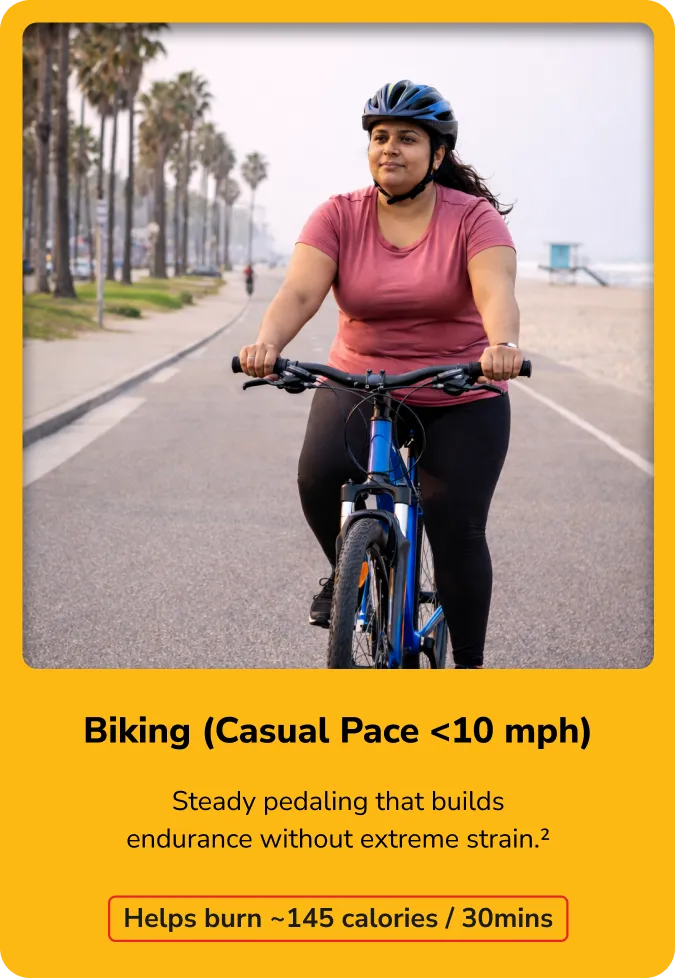
Daily Habits for Weight Support
Frequently Asked Questions
Yes. Even a small weight loss of 5–10% of your current body weight can bring major health benefits. Research shows that this level of weight loss improves blood sugar control, blood pressure, good cholesterol (HDL), triglycerides, joint pain, mobility, mood, and overall quality of life. For specific conditions like PCOS, infertility, fatty liver, and sleep apnea, slightly higher weight loss (10–15%) brings even better improvement
Ryan DH, Yockey SR. Weight loss and improvement in comorbidity at 5%, 10%, 15%, and over. Current Obesity Reports. 2017;6(2):187–194.
Modern weight-loss medicines improve much more than just body weight. A 2025 scientific review shows that semaglutide reduces dangerous belly (visceral) fat, preserves muscle mass, improves blood sugar (HbA1c), lowers bad cholesterol (LDL), reduces hunger, increases fullness, and slows down weight regain when continued long-term. This means the benefits are not just cosmetic but protect internal organs such as the heart, liver, and pancreas.
Sokary S, Bawadi H. Exploring beyond numeric weight loss: the metabolic effects of semaglutide. Clinical Nutrition ESPEN. 2025.
No. Large clinical data show that women with obesity can achieve significant and meaningful weight loss at all stages of menopause — before, during, and after menopause. Although hormonal changes during menopause increase fat accumulation and slow metabolism, the body still responds to structured weight-management interventions. Weight reduction during menopause also helps improve blood sugar, blood pressure, heart health, and quality of life.
Hurtado Andrade MD, Dunsmoor-Su R, Huvinen E, et al. Weight reduction outcomes across menopausal stages from STEP and OASIS 4 trials. Presented at the 43rd Annual Meeting of The Obesity Society (ObesityWeek®); November 4–7, 2025; Atlanta, GA, USA
Yes. A large national Indian study found that nearly half of women diagnosed with PCOS also had obesity. These women showed a very high burden of long-term health problems such as abnormal cholesterol, fatty liver, prediabetes, type 2 diabetes, high blood pressure, and metabolic syndrome. This confirms that obesity in PCOS is not only a cosmetic problem but a serious lifelong cardiometabolic risk factor
Ganie MA, Chowdhury S, Malhotra N, et al. Prevalence, phenotypes, and comorbidities of polycystic ovary syndrome among Indian women. JAMA Network Open. 2024;7(10):e2440583.
Yes. Scientific evidence shows that weight regain after weight loss is very common, even when people follow diet and exercise carefully. This happens because after weight loss, the body makes powerful biological adjustments that increase hunger, reduce feelings of fullness, and slow calorie burning. These changes push the body back toward its previous higher weight. This is why many people experience a weight-loss plateau followed by gradual regain. Obesity is now understood as a long-term, relapsing disease, and maintaining weight loss usually requires ongoing lifestyle support and long-term follow-up, not just short-term dieting.
Hall KD, Kahan S. Maintenance of lost weight and long-term management of obesity. Medical Clinics of North America. 2018 Jan;102(1):183–197. doi:10.1016/j.mcna.2017.08.012.