


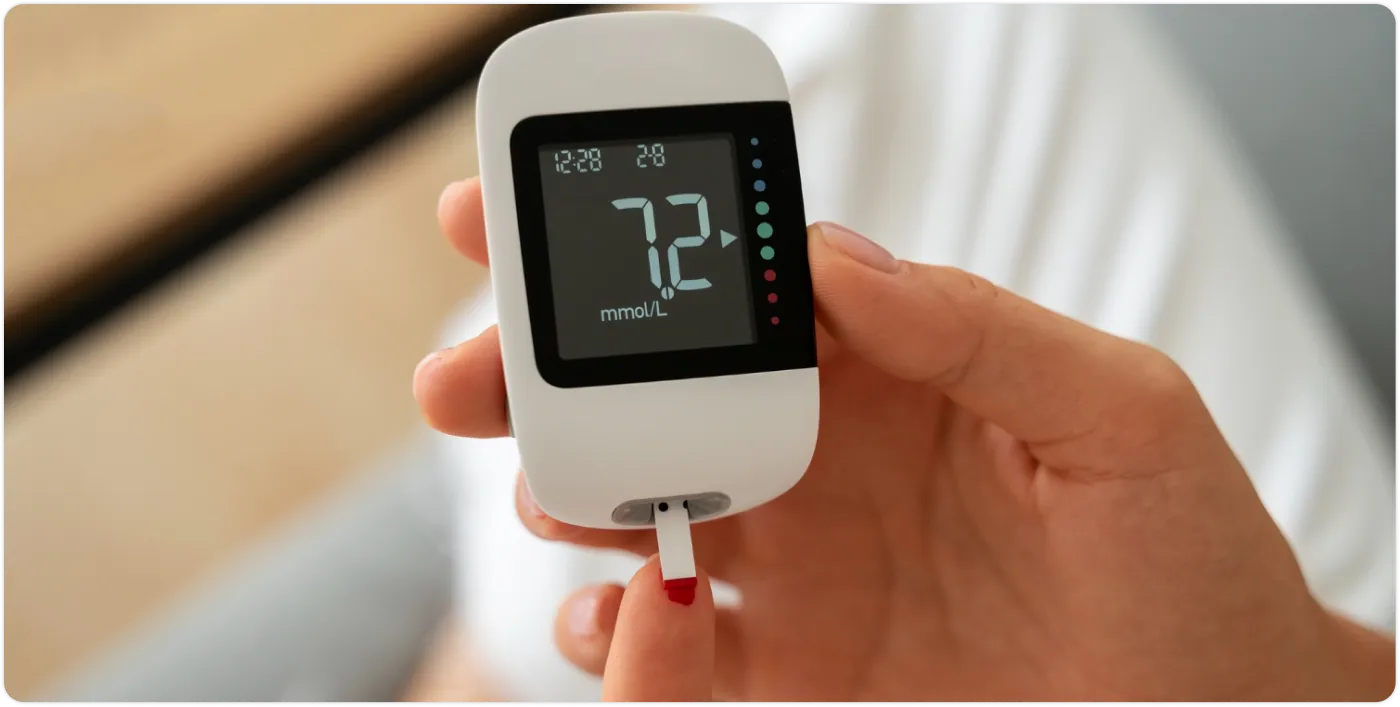
Diabetes (also known as diabetes mellitus) is a condition where the body is unable to properly regulate blood sugar levels due to issues related to a hormone called insulin. Insulin helps move sugar from the blood into the body’s cells, where it is used for energy [1].
There are different types of diabetes, but the two most common are type 1 diabetes and type 2 diabetes. While both lead to high glucose levels, the reasons behind them are very different [2].
What is Type 1 Diabetes?
If you’re wondering what is type 1 diabetes, it is a condition in which the immune system incorrectly targets and damages the body’s own healthy insulin-producing cells [3].
What goes wrong?
In Type 1 diabetes, the body’s immune system mistakenly attacks and gradually eliminates the beta cells in the pancreas that are responsible for making insulin.
What causes type 1 diabetes?
Understanding what causes type 1 diabetes isn’t entirely straightforward, but it is linked to:
- Genetic factors
- Environmental triggers such as viral infections [3]
What happens in the body?
This leads to an almost complete lack of insulin, causing rise in blood sugar.
Who does type 1 diabetes affect?
- Common in children and young adults
- Often appears suddenly
Signs to watch for
Common signs of diabetes in Type 1 include:
- Frequent urination
- Excessive thirst
- Sudden weight loss
- Fatigue [4]
How is type 1 diabetes managed?
People require lifelong insulin therapy and often use tools like continuous glucose monitoring to track sugar levels in real time [5].
What is Type 2 Diabetes?
If you’re asking what is type 2 diabetes, it is a metabolic condition where the body either produces insufficient insulin or is unable to use it efficiently.
What goes wrong?
This is mainly due to insulin resistance, where the body’s cells show a reduced response to insulin signals [2].
What causes type 2 diabetes?
Several factors contribute to what causes type 2 diabetes, including:
- Genetics
- Sedentary lifestyle
- Poor diet
- Excess body weight [2]
What happens in the body?
Initially, insulin may be normal or even high. Over time, the pancreas becomes overworked, leading to reduced insulin production. This stage may begin as prediabetes, where sugar levels are higher than normal but not yet diabetic [1].
Who does type 2 diabetes affect?
- Typically, adults over 30–40
- Increasingly seen in younger populations
Type 2 diabetes symptoms
Common type 2 diabetes symptoms include:
- Increased thirst
- Frequent urination
- Blurred vision
- Slow healing of wounds [4]
How is type 2 diabetes managed?
Management may include:
- Lifestyle changes (diet + exercise)
- Oral drugs such as type 2 diabetes medications
- In some cases, insulin (especially in advanced t2dm) [5]
Why Do Insulin-Producing Cells Fail?
Although both conditions fall under diabetes, the damage to insulin-producing cells happens differently.
- In Type 1 diabetes, cells are destroyed due to immune system–driven inflammation [3]
- In Type 2 diabetes, cells are damaged due to long-term metabolic stress from high sugar and fat levels [2]
Key Differences Between Type 1 and Type 2 Diabetes
| Feature | Type 1 Diabetes | Type 2 Diabetes |
| Main problem | Immune system destroys insulin cells | Insulin resistance or low insulin |
| Typical age | Early (children/young adults) | Later (adults, but now younger too) |
| Body weight | Often normal | Often overweight |
| Insulin levels | Very low or none | High initially, then decreases |
| Management | Insulin required | Lifestyle + medication ± insulin |
Source: Adapted from WHO, CDC, and ADA guidelines [1–5]
Why Early Detection Matters
Detecting diabetes at an early stage can significantly improve long-term health outcomes.
With timely lifestyle changes, proper guidance, and regular monitoring, it’s possible to:
- Delay or prevent complications ([1]
- Improve energy levels and overall well-being [4]
- In some cases, help bring blood glucose levels back to the normal range
Monitoring and early intervention—especially during prediabetes—can significantly delay or prevent disease progression [1, 2].
When Should You Get Checked?
Consider getting your blood glucose levels tested in the following situations:
- Have a family history of diabetes [1]
- Are overweight or physically inactive [2]
- Notice any of the symptoms mentioned above
- Are above 30 years of age (routine screening is recommended) [5]
Final Thoughts
Both Type 1 and Type 2 diabetes affect how the body regulates sugar, but they differ in cause, progression, and treatment.
Type 1 diabetes occurs due to an autoimmune response and typically requires lifelong insulin support, whereas Type 2 diabetes tends to develop over time and is commonly associated with lifestyle and metabolic factors.
Being aware of these differences supports timely diagnosis, appropriate treatment decisions, and reduces the risk of long-term complications [1,2,3].
How MyAarambh Can Support You
At MyAarambh, we’re here to guide you at every step of your health journey:
- Easy-to-understand health information
- Tools to track your symptoms and progress
- Expert-backed tips for better lifestyle management
PYC code NUC-PAT/0426/08
References
- World Health Organization. Diabetes. Geneva: WHO; 2023. Available from: https://www.who.int/news-room/fact-sheets/detail/diabetes
- Centers for Disease Control and Prevention. Type 2 Diabetes. Atlanta: CDC; 2023. Available from: https://www.cdc.gov/diabetes/basics/type2.html
- National Institute of Diabetes and Digestive and Kidney Diseases (NIDDK). Type 1 Diabetes. Bethesda: NIH; 2023. Available from: https://www.niddk.nih.gov/health-information/diabetes/overview/what-is-diabetes/type-1-diabetes
- American Diabetes Association. Symptoms & Diagnosis of Diabetes. Arlington: ADA; 2023. Available from: https://diabetes.org/diabetes/symptoms
- American Diabetes Association. Standards of Medical Care in Diabetes—2024. Diabetes Care. 2024;47(Suppl 1):S1–S350.