


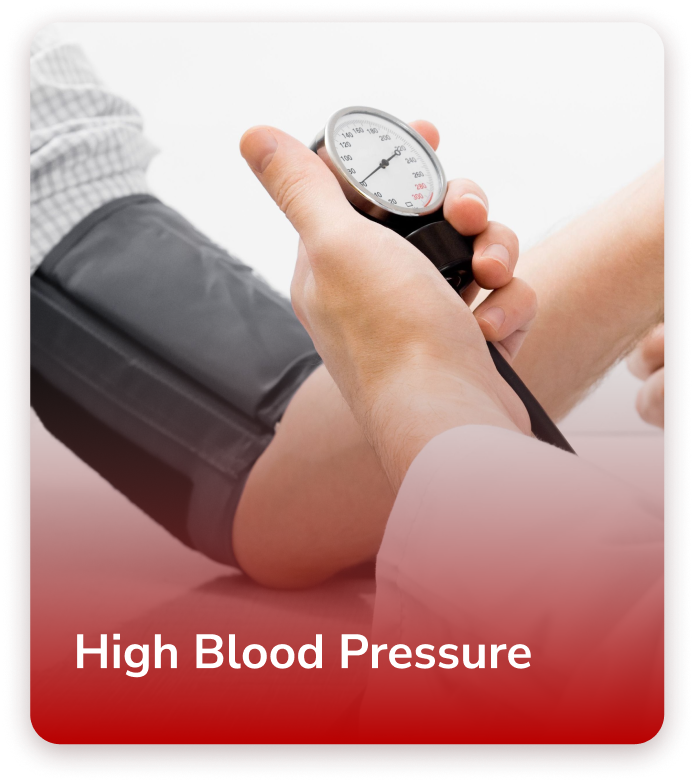



High blood pressure, also called hypertension, happens when the force of blood against your blood vessel walls stays too high for a long time.
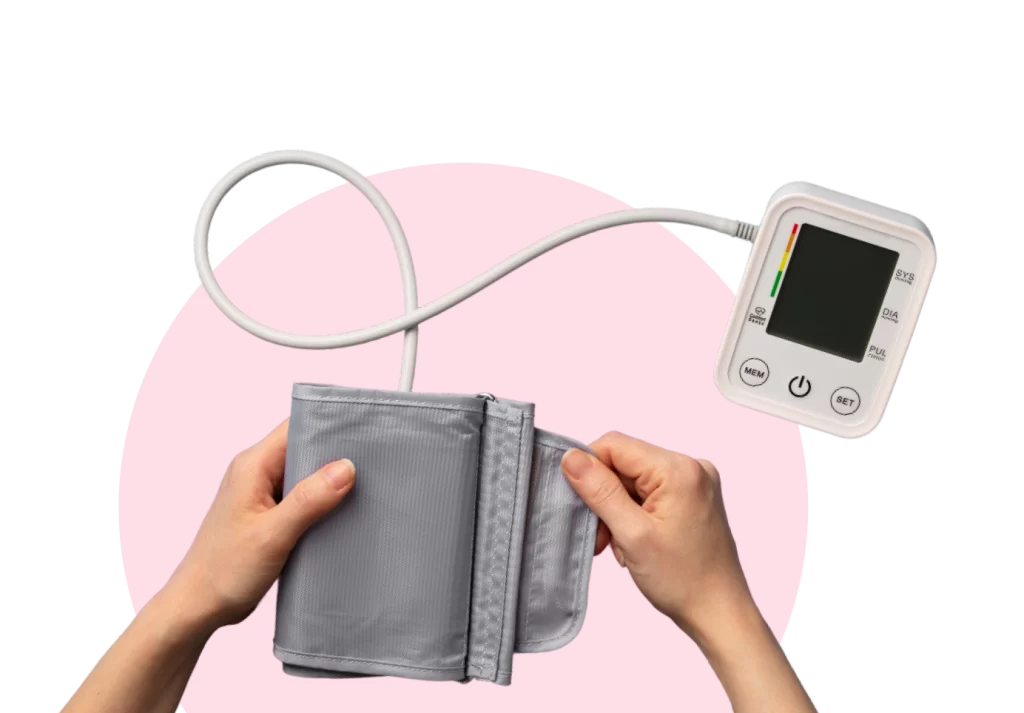
Blood pressure is measured using 2 numbers:
A normal blood pressure is usually below 120/80 mmHg.
High blood pressure (also called hypertension) can lead to serious problems like heart attacks or strokes. But lifestyle changes and blood pressure medicines can help you stay healthy.
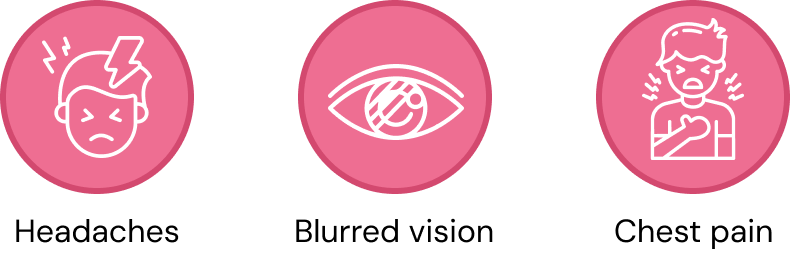
High blood pressure does not usually cause any symptoms. Many people have it without realising it. Rarely, high blood pressure can cause symptoms such as:
But the only way to find out if you have high blood pressure is to get your blood pressure checked.
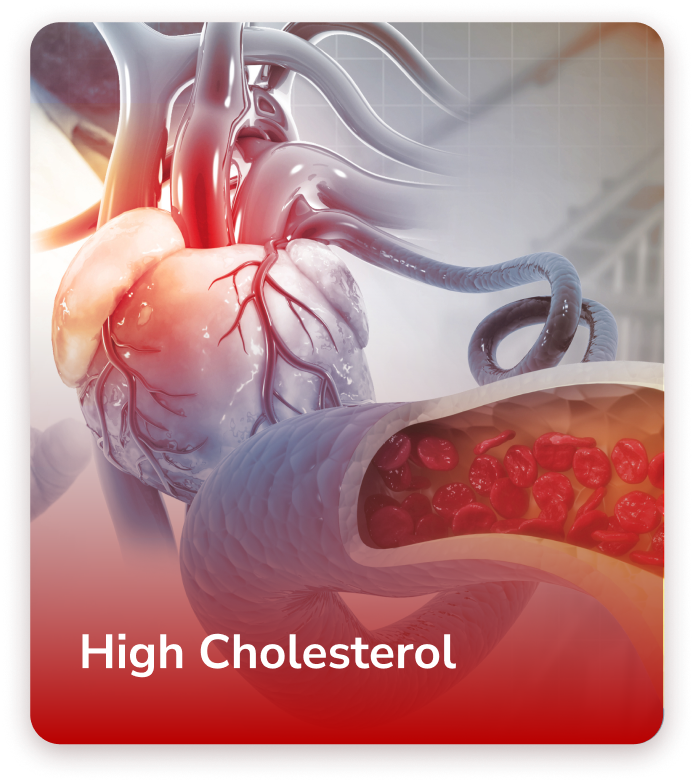
Cholesterol is a fatty substance in your blood. Your body needs some cholesterol, but too much can build up in your blood vessels and make it harder for blood to flow.
High cholesterol does not usually cause symptoms. You can only find out if you have it from a blood test.
Over time, high cholesterol can increase the risk of heart attack and stroke.
Too much cholesterol can block your blood vessels. It makes you more likely to have heart problems or a stroke.
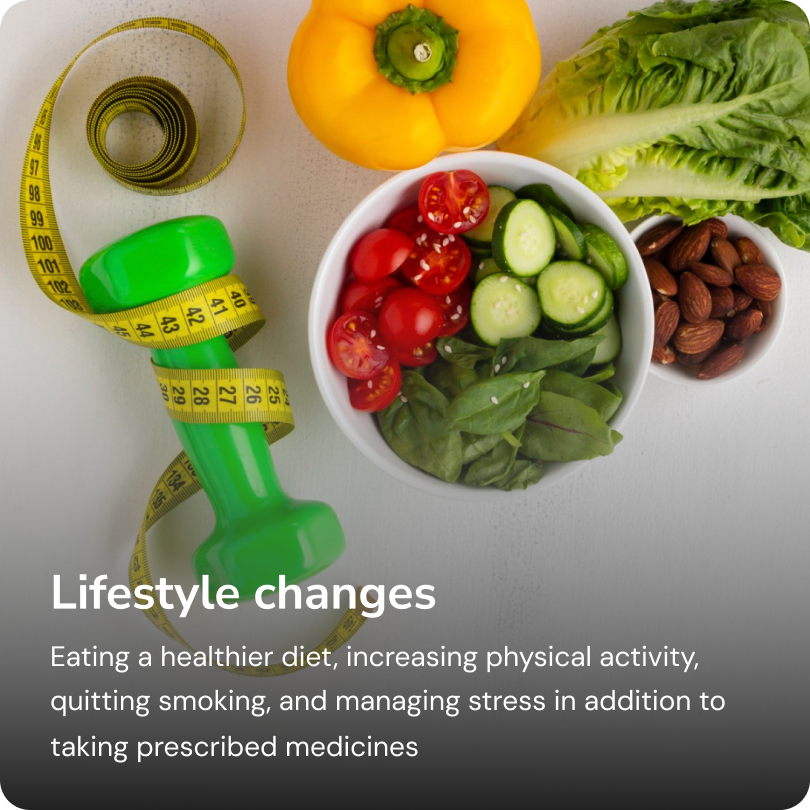
Eat less fatty food
Try to cut down on fatty food, especially food that contains a type of fat called saturated fat.
Try to eat more:
Try to eat less:
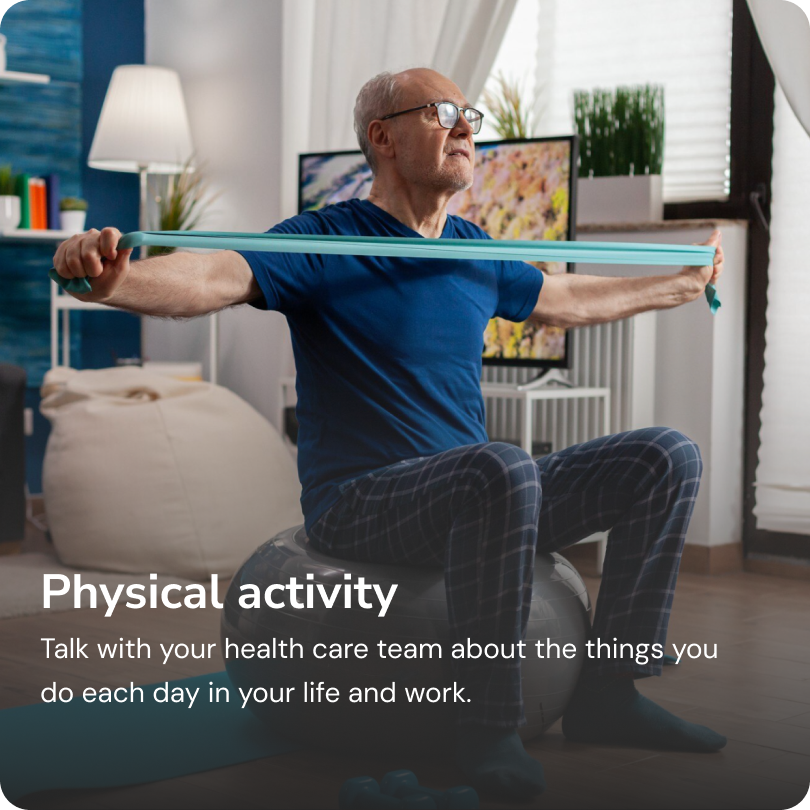
Exercise More
Aim to do at least 150 minutes (2.5 hours) of moderate intensity exercise or 75 minutes of vigorous intensity activity a week.
Exercises like:
Stop smoking
Smoking can raise your cholesterol and make you more likely to have serious problems like heart attacks, strokes and cancer.
Cut down on alcohol
Avoid drinking on a regular basis.
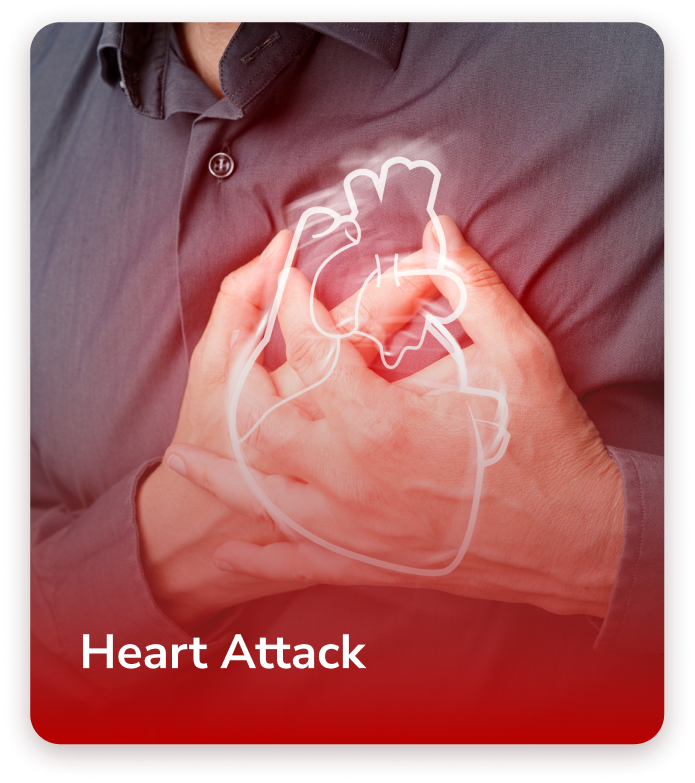
A heart attack, also called a myocardial infarction, happens when a part of the heart muscle doesn’t get enough blood. The more time that passes without treatment to restore blood flow, the greater the damage to the heart muscle.
Coronary artery disease (CAD) is the main cause of heart attack. A less common cause is a severe spasm, or sudden contraction, of a coronary artery that can stop blood flow to the heart muscle.
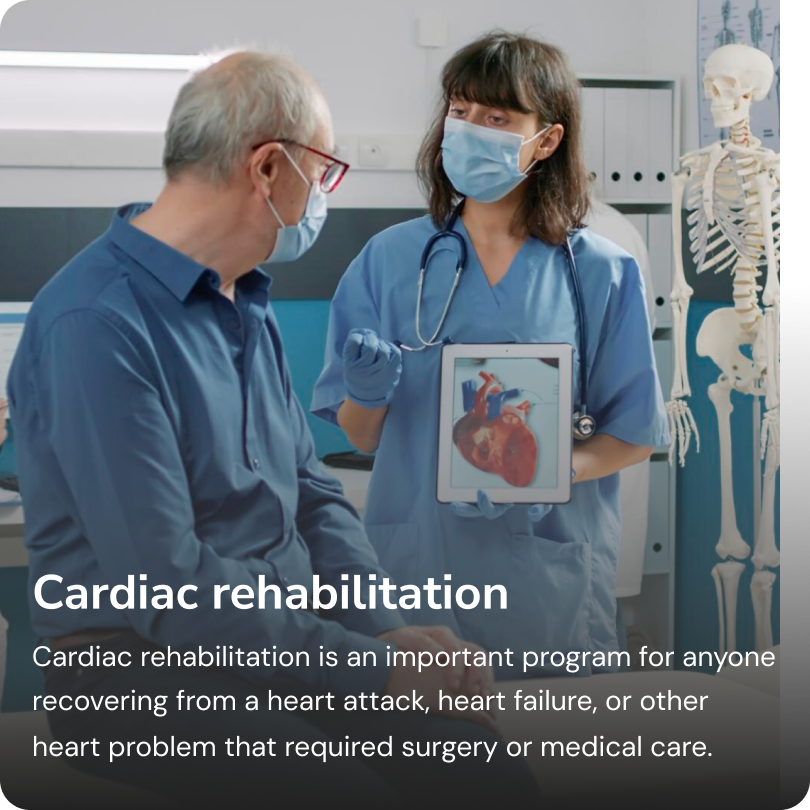
Recovery does not stop when you leave the hospital. The weeks and months after a heart attack are important.
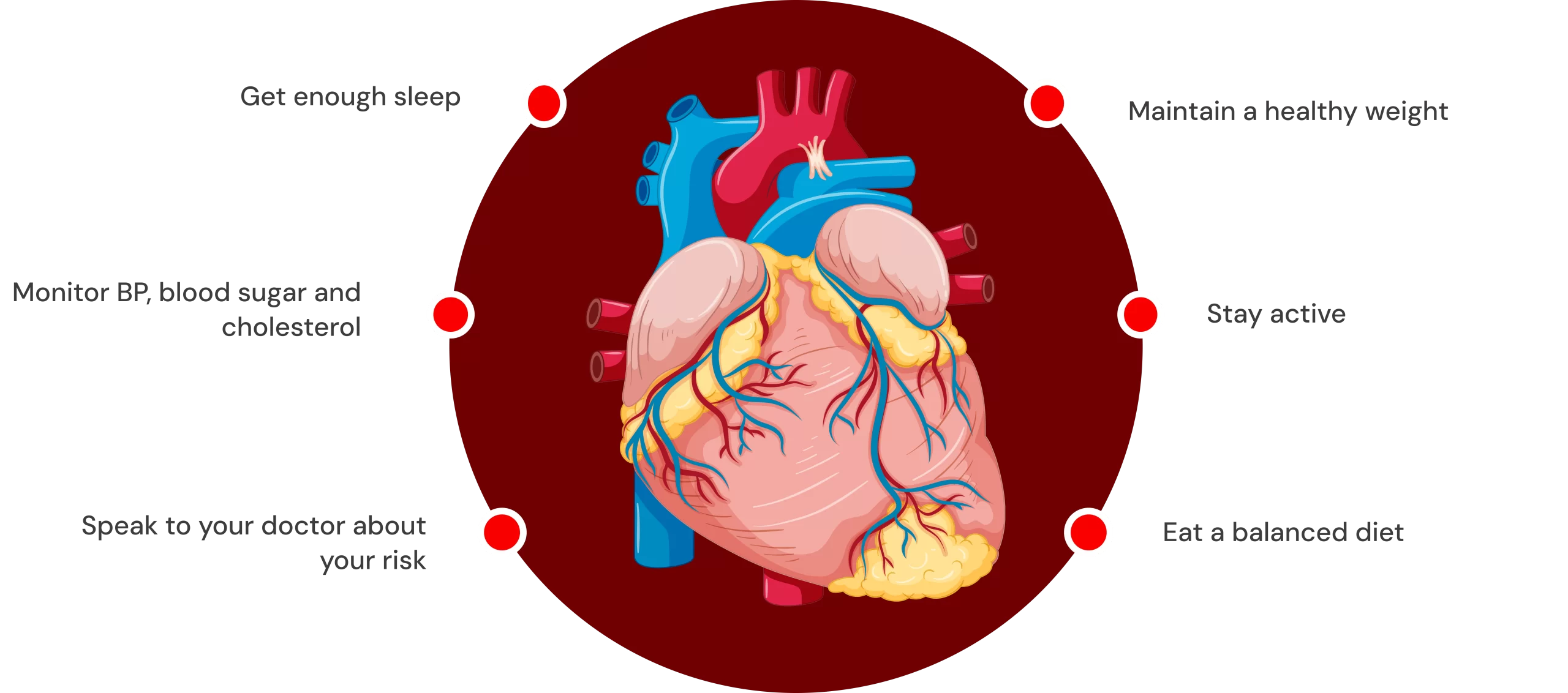
Effective heart care requires continuous management and long-term lifestyle support.
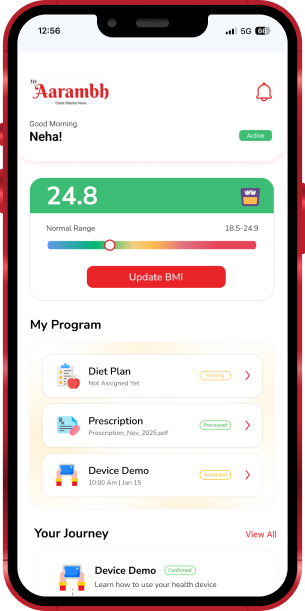
MyAarambh supports patients by:

Improving awareness and understanding of heart health

Encouraging regular monitoring of heart health parameters

Supporting heart-healthy lifestyle changes (diet, exercise, stress management)

Promoting adherence to prescribed treatment plans

Providing ongoing guidance and follow-up care

References:
PYC code: NUC-PAT/0626/4