



What is Diabetes?

Diabetes mellitus refers to a group of metabolic disorders marked by persistent hyperglycemia (high blood sugar levels)¹. This occurs when the pancreas does not produce enough insulin or when the body cannot effectively use the insulin it produces². Over time, uncontrolled diabetes can damage the heart, blood vessels, eyes, kidneys, and nerves².

Insulin plays a key role in allowing glucose to enter cells and be used for energy. When this process is impaired, glucose accumulates in the bloodstream.

Types of Diabetes

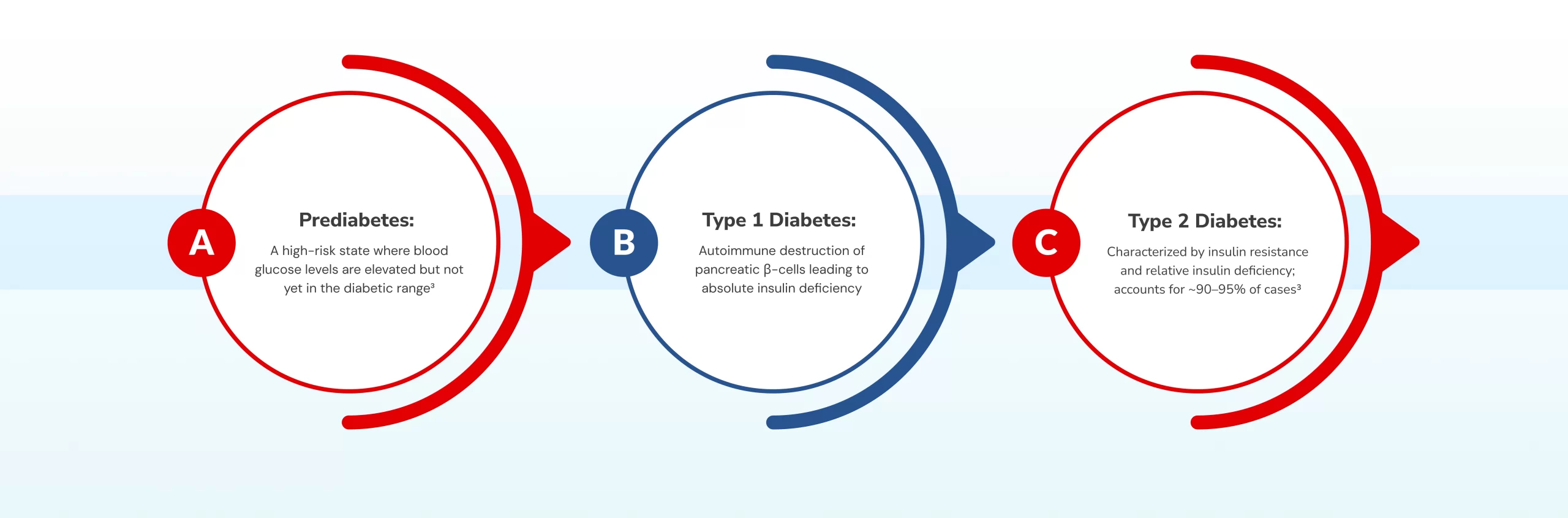
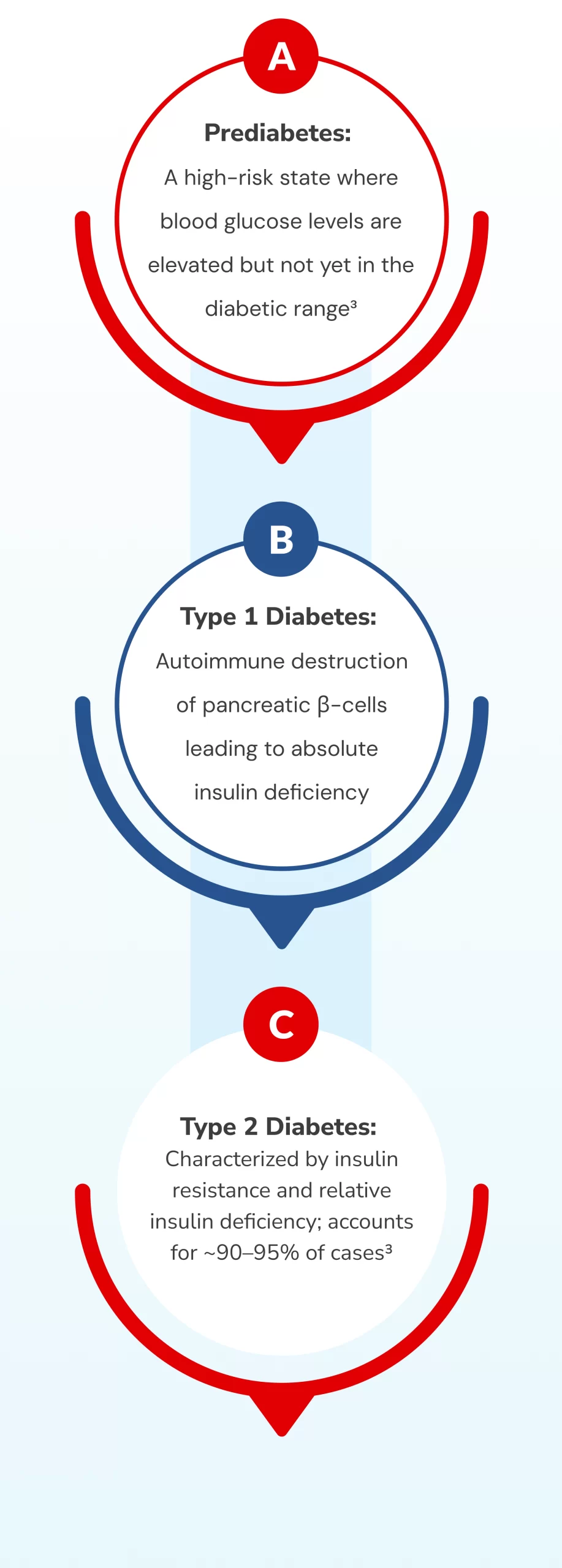
Diabetes is classified into the following major types¹:

Prediabetes can often be reversed with timely lifestyle interventions.
Tools & Calculator

Use our tools to better understand your health and assess your risk levels

BMI Calculator

Calculate your Body Mass Index and
understand your weight category.

Diabetes Risk Assessment

Check your risk level for developing Type 2
Diabetes with a quick questionnaire.

Why blood sugar rises

  • Insulin resistance
  • Reduced insulin secretion
  • Increased liver glucose output
  • Sedentary lifestyle and excess calorie intake³

How Insulin works

  • Insulin facilitates glucose uptake into muscle and fat cells and reduces glucose production by the liver³.

Symptoms & Diagnosis

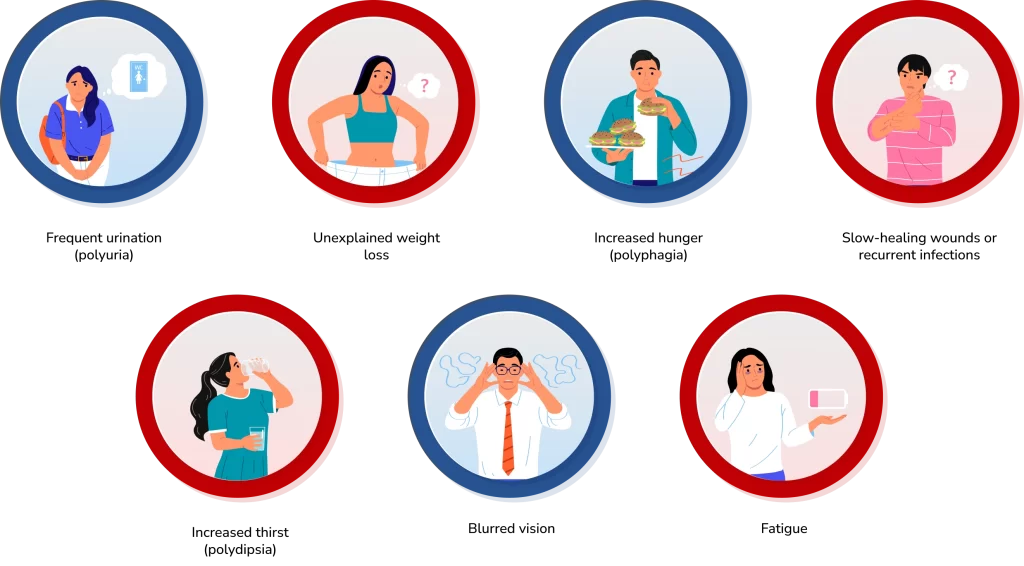
Symptoms of diabetes may develop gradually and may go unnoticed, especially in Type 2 diabetes³.

Common symptoms include:

Early detection is important to prevent complications.

How Diabetes is Diagnosed2

Diagnosis is based on blood glucose levels or HbA1c values.

Fasting Blood Sugar (FBS)

This test measures blood sugar levels after at least 8 hours of fasting.

  • Reflects your baseline sugar level
  • Indicates how your body manages glucose without recent food intake

Interpretation:

  • Normal: <100 mg/dL
  • Prediabetes: 100–125 mg/dL
  • Diabetes: ≥126 mg/dL
Postprandial Blood Sugar (PPBS)

This test measures blood glucose 2 hours after a meal.

  • Shows how efficiently the body handles sugar after eating
  • Useful for diabetes monitoring

Interpretation:

  • Normal: <140 mg/dL
  • Diabetes: ≥200 mg/dL
HbA1c (Glycated Hemoglobin)
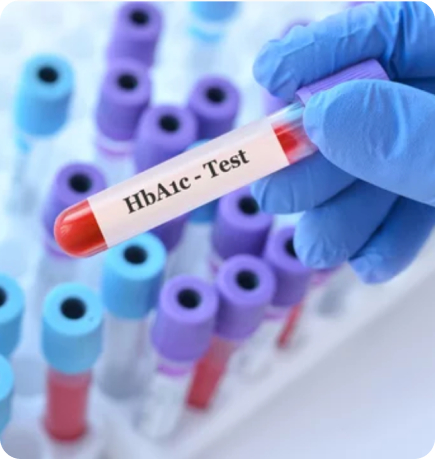
HbA1c reflects average blood sugar levels over the past 2–3 months.

  • Normal: Below 5.7%
  • Prediabetes: 5.7% – 6.4%
  • Diabetes: 6.5% or above

When to Get Tested

Screening is recommended:

  • At age ≥35 years
  • Earlier in individuals with overweight/obesity or risk factors3

Preventing Complications2,3

Diagnosis is based on blood glucose levels or HbA1c values.

Foot care

Daily inspection reduces risk of ulcers and amputations.

Eye care

Annual retinal exams help detect diabetic retinopathy early.

Kidney care

Monitoring urine albumin and kidney function helps early detection.

Nerve damage

Chronic hyperglycemia can lead to peripheral neuropathy.
Why regular checkups matter

Regular monitoring enables early intervention and reduces complications.

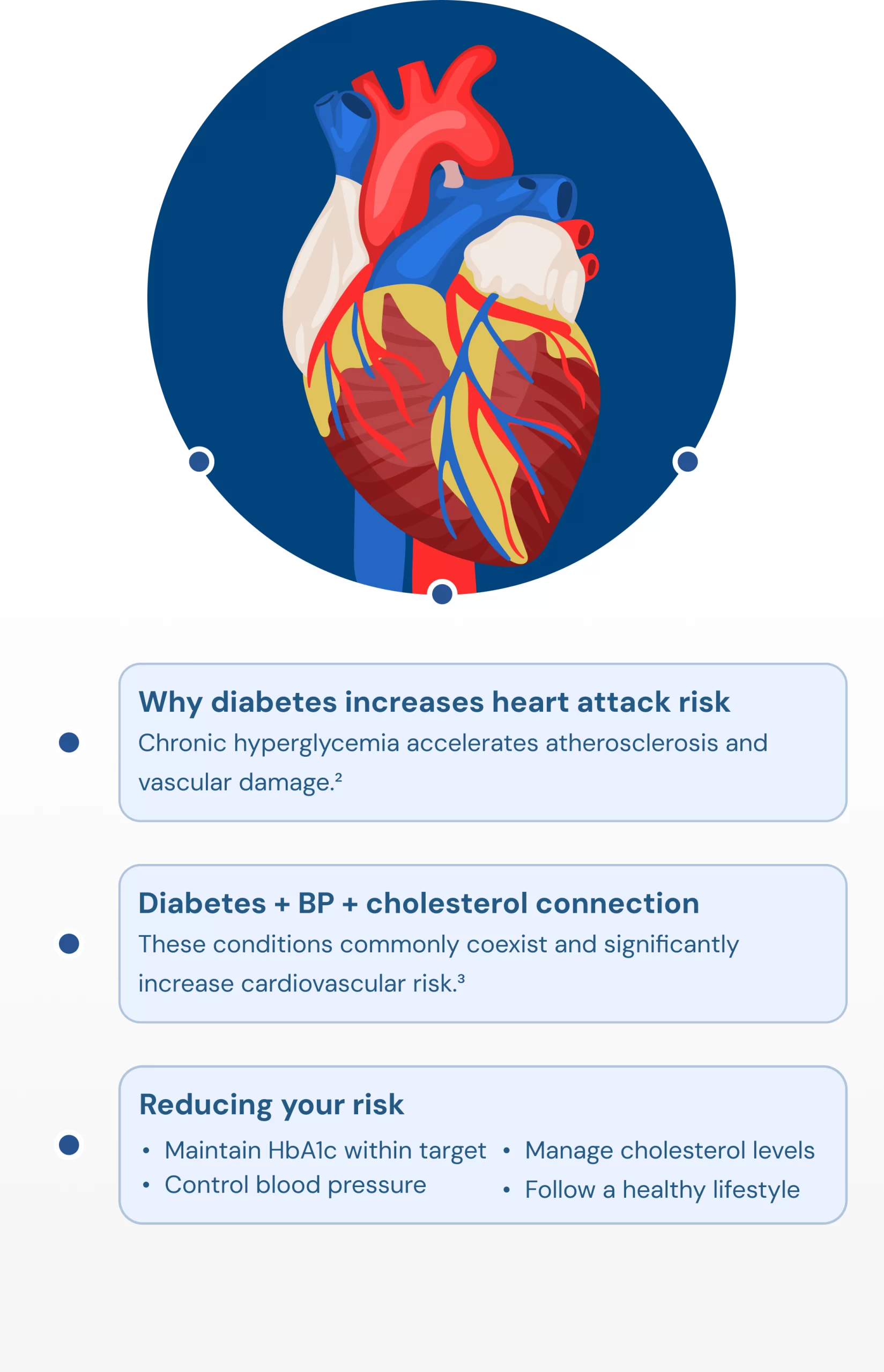
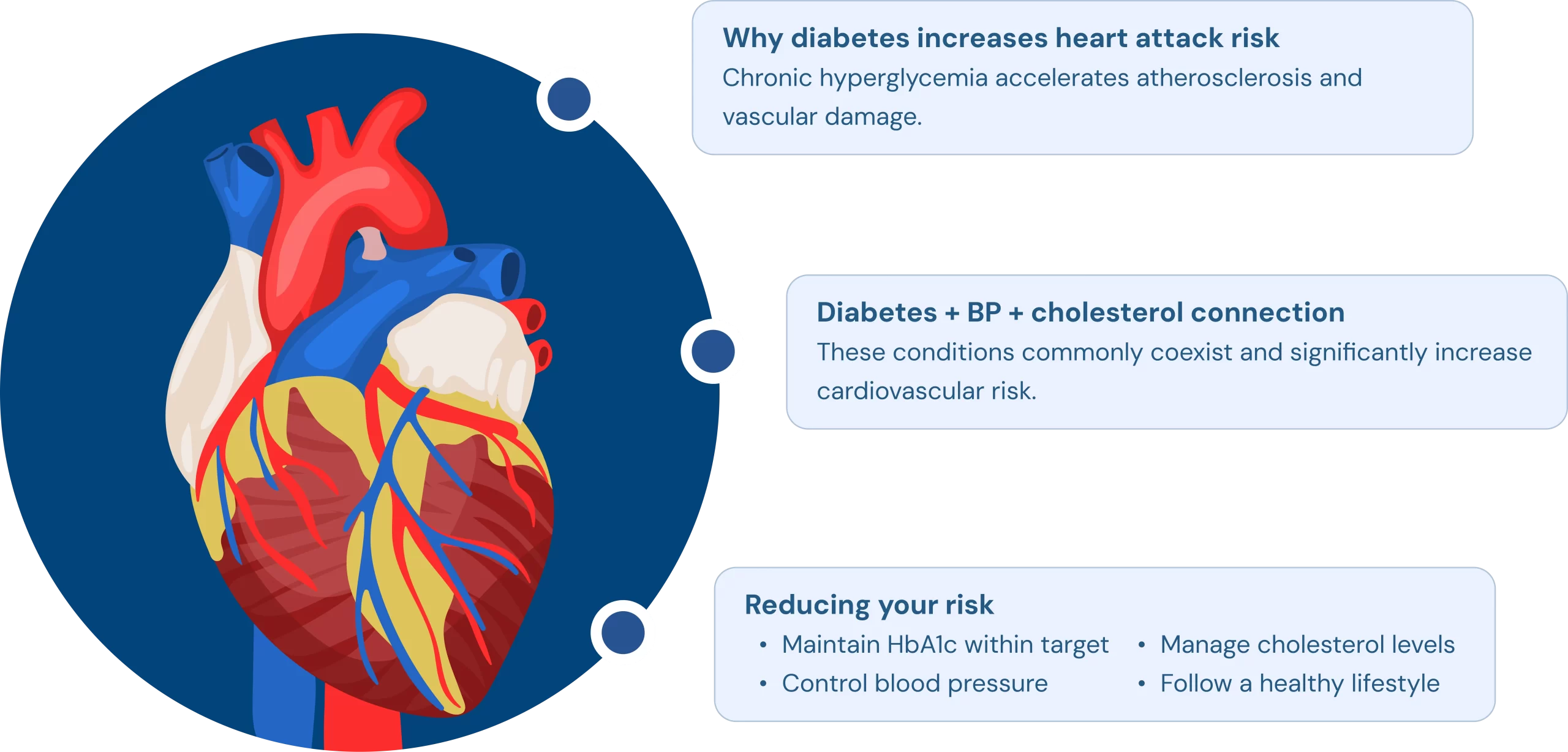
Diabetes & Heart Risk 2,3

Diagnosis is based on blood glucose levels or HbA1c values.

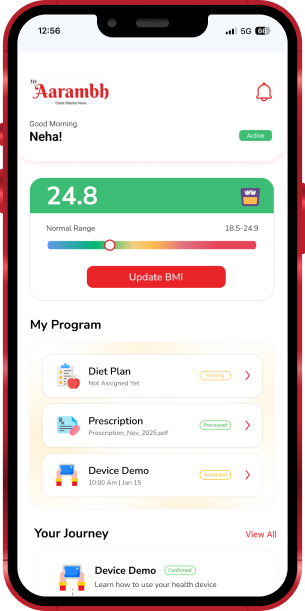
How MyAarambh Supports You

Effective diabetes care requires continuous management and support.

MyAarambh supports patients by:

Improving awareness and understanding of diabetes

Encouraging regular blood glucose monitoring

Supporting lifestyle modifications (diet and physical activity)

Promoting medication adherence

Providing ongoing guidance and follow-up


Continue Your Care with MyAarambh

References:

1. International Diabetes Federation. IDF Diabetes Atlas, 11th Edition. 2025. Available at: https://diabetesatlas.org
2. World Health Organization. Diabetes Fact Sheet. Available at: https://www.who.int/news-room/fact-sheets/detail/diabetes
3. American Diabetes Association. Standards of Care in Diabetes—2024. Available at: https://diabetesjournals.org/care/issue/47/Supplement_1

PYC code: NUC-PAT/0626/4

Talk To An Expert
Talk to an Expert