


If you’ve been searching for the fastest way to lose weight, you’ve probably come across restrictive diets, detoxes, and complicated meal plans that promise dramatic results. While these approaches may seem appealing, they are often difficult to sustain and may not support long-term health.
Research suggests that healthy weight loss is more likely to occur through gradual, consistent lifestyle changes rather than extreme dietary restrictions. For people using the MyAarambh platform, the goal is not perfection—it’s building habits that fit into everyday Indian life and support effective weight loss management (1,2).
Is There a “Best” Indian Diet for Weight Loss?
There is no single best diet to lose weight. In fact, experts recommend choosing eating patterns that are practical, culturally familiar, and easy to maintain over time (1).
Instead of eliminating rice, chapati, or favourite home-cooked dishes, focus on creating balanced meals that include vegetables, protein, whole grains, and appropriate portion sizes.
Many people ask about what to eat to lose belly fat, but no specific food targets fat loss from one area of the body. Sustainable fat loss happens when the body consistently uses more energy than it consumes while preserving muscle mass through adequate nutrition and physical activity (1,3).
Build Your Plate with Foods That Support Weight Loss
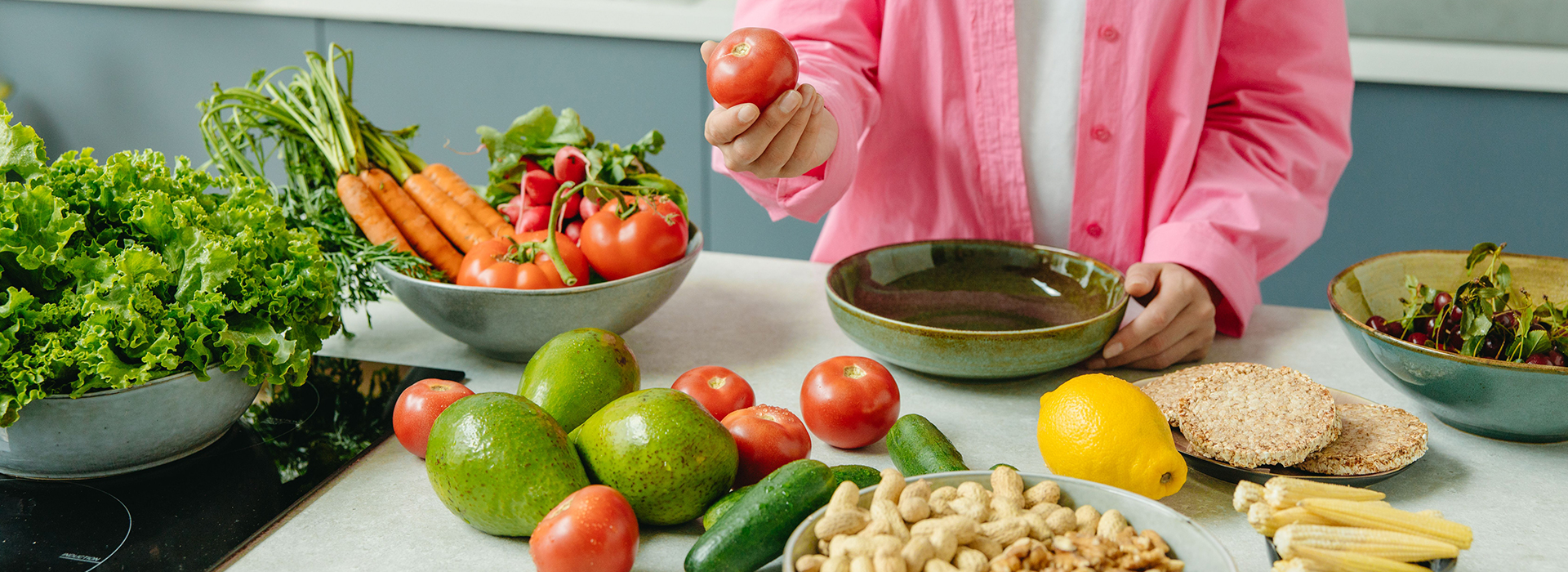
When planning meals, prioritise healthy foods to lose weight that help keep you full and energised.
A simple approach is to divide your plate into:
- Half vegetables and salads
- One-quarter protein-rich foods
- One-quarter whole grains or traditional carbohydrates
Some of the best foods for weight loss in an Indian context include:
- Dal and legumes
- Sprouts
- Eggs
- Paneer
- Curd
- Fish and lean chicken
- Seasonal vegetables
- Fruits
- Millets and whole grains
These foods to help lose weight provide fibre and nutrients while supporting satiety.
Including high protein low calorie foods such as eggs, low-fat curd, sprouts, dal, grilled fish, or tofu may also help preserve muscle and improve fullness during a calorie-controlled eating pattern (3).
A Simple Daily Structure
One reason many healthy meal plans for weight loss succeed is because they reduce decision fatigue and encourage consistency. Having a predictable eating pattern may make it easier to maintain healthy habits over time and support long-term adherence to dietary changes (1,2,4).
Breakfast
Choose a combination of protein and fibre to help promote satiety and support appetite regulation (2,3).
Examples:
- Vegetable omelette with roti
- Idli with sambar
- Poha with peanuts
- Oats with curd and fruit
Mid-Morning
If needed, opt for healthy snacks for weight loss such as (2):
- Fruit
- Roasted chana
- A handful of nuts
- Unsweetened curd
These can also serve as practical weight loss snacks during busy workdays.
Lunch
Balanced healthy lunches for weight loss may include meals built around the principles of vegetables, protein, and whole grains recommended in Indian dietary guidance (1,2):
- Two rotis with dal and sabzi
- Brown rice with rajma and salad
- Millet khichdi with vegetables
- Grilled fish with vegetables
Evening Snack
Choose low calorie snacks that help manage hunger between meals while contributing valuable nutrients (2):
- Sprouts chaat
- Buttermilk
- Roasted makhana
- Fruit with curd
Dinner
Aim for lighter yet satisfying meals that provide protein, vegetables, and appropriate portions of carbohydrates (1,2,3). Examples of healthy dinners for weight loss include:
- Dal with vegetables
- Paneer bhurji with salad
- Vegetable soup with protein
- Grilled chicken with sautéed vegetables
These options can also work well as low calorie dinners, depending on portion sizes.
Don’t Fall for Quick Fixes
There is no magical weight loss drink or single ingredient that can replace healthy eating habits and regular physical activity. While staying hydrated is important for overall health, beverages alone do not lead to meaningful or sustained weight loss (1,2).
Similarly, many online trends promote extreme approaches as the fastest way to lose weight. However, research suggests that rapid weight-loss strategies are often difficult to maintain over time and may increase the likelihood of regaining lost weight. Sustainable approaches that encourage gradual lifestyle changes tend to produce better long-term outcomes (1,4).
Although some programmes market a specific weight loss plan for women, the basic principles of healthy weight loss remain similar for most adults: balanced meals, appropriate portions, regular physical activity, adequate sleep, and consistency. Individual requirements may vary based on age, medical conditions, life stage, activity levels, and personal preferences, which is why personalized guidance is important (1,2).
How MyAarambh Can Support You
Making lifestyle changes can feel overwhelming when done alone. MyAarambh is designed to support your journey through practical guidance, educational resources, and tools that encourage sustainable behaviour change.
Rather than promoting restrictive diets, MyAarambh focuses on realistic strategies that fit into everyday routines. Small, consistent steps taken over time can create meaningful progress toward better health.
Remember, successful weight loss isn’t about finding the perfect diet. It’s about finding an approach you can return to—day after day, meal after meal.
PYC Code : ORI-MA/0726/14
References
- Behl S, Misra A. Management of obesity in adult Asian Indians. Indian Heart J. 2017;69(4):539–544.
- National Institute of Nutrition, Indian Council of Medical Research. Dietary Guidelines for Indians. Hyderabad: ICMR-NIN; 2024.
- Leidy HJ, Clifton PM, Astrup A, Wycherley TP, Westerterp-Plantenga MS, Luscombe-Marsh ND, et al. The role of protein in weight loss and maintenance. Am J Clin Nutr. 2015;101(6 Suppl):1320S-1329S.
- Franz MJ, VanWormer JJ, Crain AL, Boucher JL, Histon T, Caplan W, et al. Weight-loss outcomes: a systematic review and meta-analysis of weight-loss clinical trials with a minimum 1-year follow-up. J Am Diet Assoc. 2007;107(10):1755–1767.
- Hutchison AT, Regmi P, Manoogian ENC, Fleischer JG, Wittert GA, Panda S, Heilbronn LK. Time-restricted feeding improves glucose tolerance in men at risk for type 2 diabetes: a randomized crossover trial. Obesity (Silver Spring). 2019;27(5):724–732.