


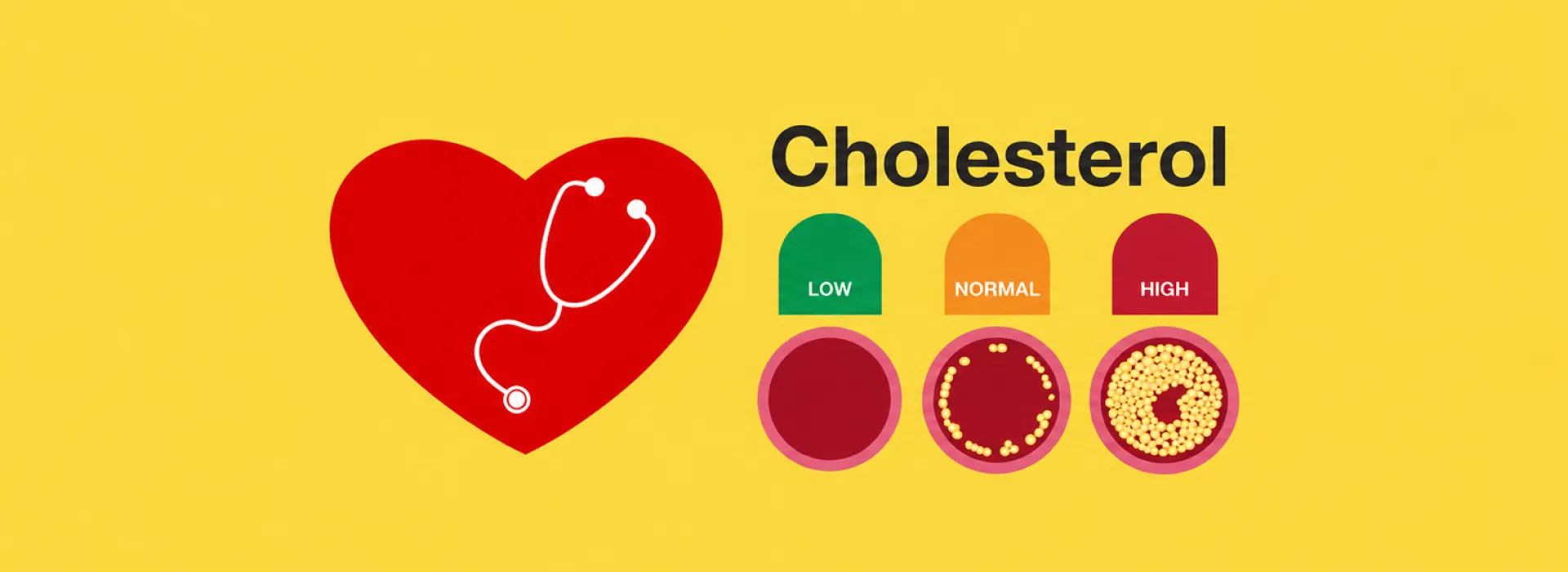
When you receive a blood test report, one of the first things you may notice is your cholesterol level. Terms such as LDL, HDL, and triglycerides can seem confusing, especially if you’re unsure what they mean or why they matter. While cholesterol is often viewed negatively, the truth is that your body actually needs it to function properly. The key is maintaining a healthy balance.
Understanding what these numbers represent can help you make informed decisions about your heart health. In this guide, we’ll explain cholesterol in simple terms, clarify the difference between LDL, HDL, and triglycerides, and discuss practical ways to keep your levels within a healthy range.
What Is Cholesterol?
Cholesterol is a waxy, fat-like substance that is naturally produced by the liver and is also obtained through certain foods. It plays several important roles in the body, including building healthy cells, producing hormones, supporting vitamin D production, and helping the body digest fats. Although cholesterol is essential, having excessive amounts in the bloodstream—particularly certain types—can increase the risk of cardiovascular disease.²˒³
Since cholesterol does not dissolve in blood, it is carried throughout the body by proteins known as lipoproteins. These carriers transport cholesterol to and from different tissues, giving rise to the terms LDL cholesterol and HDL cholesterol.¹
Why Does Your Body Need Cholesterol?
Many people think cholesterol is something the body should eliminate completely. In reality, it is necessary for several vital functions. Cholesterol helps maintain cell structure, supports hormone production, and contributes to normal digestion. Problems arise only when cholesterol levels become unbalanced over time, allowing fatty deposits to accumulate inside blood vessels and restrict blood flow.²˒³
Regular cholesterol testing helps identify these changes before symptoms appear, allowing early lifestyle changes or treatment when necessary.²
Understanding LDL: The “Bad” Cholesterol
Low-density lipoprotein (LDL) is commonly known as “bad cholesterol.” This is because LDL carries cholesterol from the liver to different parts of the body. When LDL levels become too high, excess cholesterol can build up along artery walls, gradually forming plaques. These deposits narrow and stiffen the arteries, making it harder for blood to flow freely.¹˒³
Over time, uncontrolled LDL cholesterol may increase the likelihood of serious health problems such as coronary artery disease, heart attack, and stroke.³
Lowering elevated LDL cholesterol through healthy lifestyle choices—and medications when recommended by a healthcare professional—is one of the most effective ways to reduce cardiovascular risk.⁵
Understanding HDL: The “Good” Cholesterol
High-density lipoprotein (HDL) is often referred to as “good cholesterol.” Unlike LDL, HDL acts like a cleanup system. It collects excess cholesterol from the bloodstream and transports it back to the liver, where it can be processed and removed from the body.¹
Higher HDL levels are generally associated with better heart health because they help prevent cholesterol from accumulating inside blood vessels. However, HDL alone cannot completely offset the effects of high LDL cholesterol, so maintaining a healthy balance of all blood lipids remains important.⁵
Regular physical activity, maintaining a healthy weight, avoiding tobacco, and choosing nutritious foods can help support healthy HDL levels.⁴
What Are Triglycerides?
Triglycerides are another type of fat found in the blood. Whenever you consume more calories than your body immediately needs, the extra energy is stored as triglycerides for later use. While this is a normal process, consistently high triglyceride levels may contribute to the hardening of arteries and increase the risk of heart disease, particularly when combined with high LDL cholesterol or low HDL cholesterol.¹˒³
High triglycerides are often linked with obesity, physical inactivity, diabetes, excessive alcohol consumption, and diets rich in refined carbohydrates and sugary foods.⁴
What Do Your Cholesterol Numbers Mean?
A standard lipid profile measures total cholesterol, LDL cholesterol, HDL cholesterol, and triglycerides. Instead of focusing on just one value, healthcare professionals assess the overall pattern along with factors such as age, blood pressure, diabetes, smoking status, and family history to estimate cardiovascular risk.⁵
If your cholesterol levels fall outside the recommended range, your healthcare provider may suggest lifestyle changes, regular monitoring, or medication depending on your individual risk profile.⁵
Simple Ways to Improve Your Cholesterol Naturally
Healthy cholesterol management doesn’t always require dramatic lifestyle changes. Small, consistent habits can make a meaningful difference over time.
Some effective ways to support healthy cholesterol levels include:
- Eat a balanced diet rich in fruits, vegetables, whole grains, legumes, nuts, and healthy fats.
- Limit foods high in saturated and trans fats, as well as sugary beverages and processed snacks.
- Engage in regular physical activity, aiming for at least 150 minutes of moderate-intensity exercise each week.
- Maintain a healthy body weight.
- Avoid smoking and limit alcohol intake.
- Follow your healthcare provider’s advice regarding medications if they have been prescribed.²⁻⁵
Even modest improvements in daily habits can contribute to better cholesterol levels and long-term heart health.
When Should You Get Your Cholesterol Checked?
High cholesterol usually develops silently and often does not cause noticeable symptoms until complications occur. That’s why routine screening is so important.
Adults should have their cholesterol checked according to their healthcare provider’s recommendations, especially if they have risk factors such as diabetes, obesity, high blood pressure, smoking, or a family history of heart disease. Regular monitoring allows early detection and timely management before complications develop.²˒³
How MyAarambh Can Support You
Taking care of your heart begins with understanding your health. At MyAarambh, we believe that reliable information empowers better decisions. Our educational resources simplify complex health topics like cholesterol, heart disease, diabetes, obesity, and healthy living, helping you adopt sustainable lifestyle habits with confidence.
Whether you’re looking to understand your test results or learn practical ways to support your cardiovascular health, MyAarambh is here to guide you every step of the way.
Key Takeaways
Cholesterol is an essential substance that your body needs, but maintaining the right balance is important for long-term heart health. While LDL cholesterol can contribute to plaque formation inside arteries, HDL cholesterol helps remove excess cholesterol from the bloodstream. Triglycerides also play an important role in cardiovascular health and should be monitored alongside cholesterol levels.
Regular health check-ups, healthy eating, physical activity, and timely medical guidance can go a long way in keeping your heart healthy and reducing the risk of future cardiovascular disease.
PYC Code : NUC-PAT/0926/02
References
- Centers for Disease Control and Prevention. LDL, HDL Cholesterol and Triglycerides. Available from: https://www.cdc.gov/cholesterol/about/ldl-and-hdl-cholesterol-and-triglycerides.html
- Centers for Disease Control and Prevention. About Cholesterol. Available from: https://www.cdc.gov/cholesterol/about/index.html
- World Health Organization. Cardiovascular diseases (CVDs). Available from: https://www.who.int/news-room/fact-sheets/detail/cardiovascular-diseases-(cvds)
- National Health Service. High cholesterol. Available from: https://www.nhs.uk/conditions/high-cholesterol/
- Orringer CE, et al. LDL Cholesterol Management Simplified in Adults: Lower for Longer is Better. Journal of Clinical Lipidology. 2025. Available from: https://www.lipidjournal.com/article/S1933-2874(25)00317-4/fulltext